

Beef Tallow for Skin: An Honest UK Guide
What tallow does on your skin, which skin types it suits, how to apply and patch-test it, what the research does and doesn't show, and how to choose a good tallow balm.
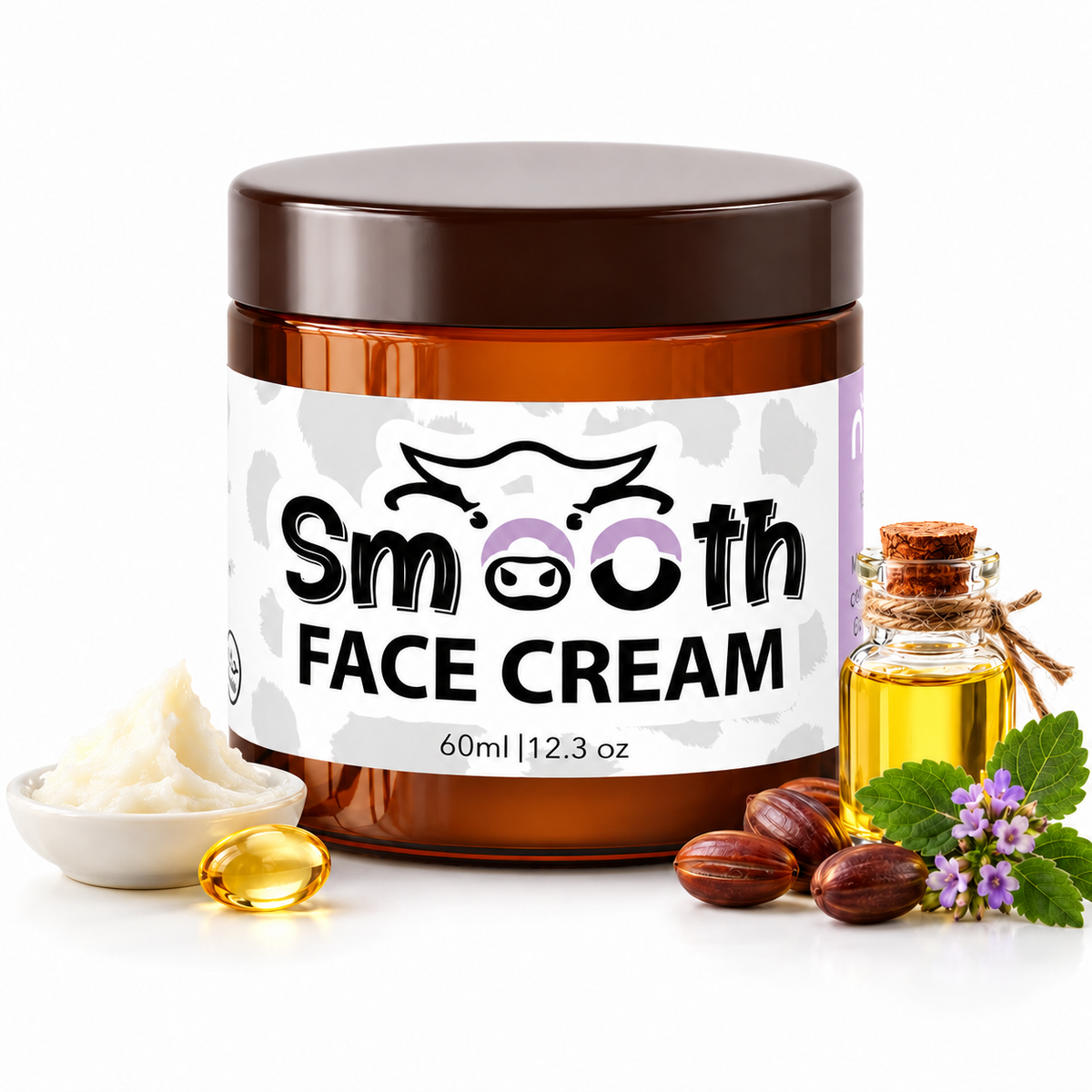
Quick answer
Beef tallow is rendered beef fat used as a rich balm. On skin it mainly works as an occlusive and emollient: it sits on the surface, softens and helps hold moisture in, so dry skin feels smoother and more comfortable. It suits normal to very dry skin best and may feel too heavy for oily or breakout-prone skin. There is very little research on tallow applied to skin, so patch-test first and judge it by how your skin feels.
Key takeaways
- What it does: forms a soft, rich layer that reduces moisture loss from the surface and leaves skin feeling supple.
- Best for: dry, tight or weather-beaten skin, hands, elbows, heels and lips.
- Be careful if: your skin is oily or clogs easily, or you're sensitive to fragrance or essential oils.
- How much: a pea-sized amount for the whole face, warmed between your fingertips.
- The evidence: most tallow skin claims online come from personal stories, not clinical trials.
Tallow skincare at a glance
- What it is
- Rendered and purified beef fat, usually from suet
- How it works
- Occlusive and emollient: seals and softens the skin's surface
- Texture
- Firm in the jar, melts on contact with warm skin
- Main fats
- Oleic, palmitic and stearic acids, also found in the skin's own oils
- Suits
- Normal, dry and very dry skin; body, hands and lips
- Use with care
- Oily, combination and breakout-prone skin
- Patch test
- Inner arm, twice a day for a few days before using on the face
- Diet
- Not vegan. Halal only if made from halal-certified cattle
Beef tallow has gone from the frying pan to the bathroom shelf. Social media is full of people swapping their moisturiser for a jar of whipped tallow, and just as many dermatologists urging caution. This guide sets out what beef tallow face cream can realistically do, who it suits and how to use it well.
What is beef tallow skincare?
Tallow is beef fat that has been gently melted (rendered) and strained to remove the tissue around it. For skincare, makers usually render suet, the firm fat around the kidneys, then filter it again until it is pale and almost odourless. You can read more about the fat itself in our guide what is tallow?
Tallow was a standard base for soaps, salves and balms for centuries, long before modern emulsions. On an ingredient list it usually appears as tallow; in soap it appears as sodium tallowate.
What tallow does on your skin
Moisturisers work in three main ways. Tallow is strongest at the first two:
- Occlusive: forms a layer on the surface that slows water evaporating from the skin. Petroleum jelly and beeswax work this way too.
- Emollient: fills the tiny gaps between surface skin cells, so skin feels smoother and softer.
- Humectant: draws water into the skin. Glycerin, hyaluronic acid and honey do this. Tallow on its own doesn't.
That's why tallow works best on slightly damp skin or over a hydrating toner or serum: it seals in water that's already there rather than adding any.
Tallow is made mostly of oleic, palmitic and stearic acids. These fatty acids also occur naturally in the oils your skin produces, which is part of why tallow spreads easily and feels familiar on skin. Tallow also contains small amounts of fat-soluble vitamins, but the levels are low and there's no good evidence they make a visible difference when applied to skin.
What the research says (and doesn't)
Here's the honest picture:
- Little direct research. There are very few published studies on beef tallow applied to human skin. Most claims online come from personal experience, influencers and brands.
- Occlusives work. It's well established that occlusive ingredients reduce moisture loss and help dry skin feel better. Tallow behaves like other occlusive fats.
- Results vary by person. Some people with dry skin love it. Others find it heavy, or notice small bumps and congestion, especially on the forehead and chin.
- It isn't a treatment. Tallow is a cosmetic moisturiser. If you have a skin condition such as eczema, rosacea or acne, follow advice from your GP, pharmacist or dermatologist.
Dermatologists' main concerns are the lack of trials, the risk of clogged pores on oily skin, variable quality between small makers, and that pure tallow with no preservative can go rancid if stored badly.
Which skin types suit beef tallow?
| Skin type | How tallow tends to suit it | Tips |
|---|---|---|
| Very dry | Usually a good match | Use morning and night; layer over a hydrating serum |
| Dry or mature | Often works well | Night-time is ideal; a pea-sized amount is enough |
| Normal | Fine for most people | Use at night or in cold, windy weather |
| Combination | Mixed | Apply only to dry areas such as cheeks; skip the T-zone |
| Oily or breakout-prone | Often too heavy | Try on hands and body first, or choose a lighter moisturiser |
| Sensitive | Depends on the formula | Choose unscented; patch-test for a week |
Outside the face, tallow is useful for hands, elbows, knees, heels, cuticles and lips, especially in winter.
Tallow vs other moisturisers
| Moisturiser | Type | Feel | Good to know |
|---|---|---|---|
| Beef tallow balm | Occlusive + emollient | Rich, melts in | Animal-derived; quality varies by maker |
| Shea butter | Occlusive + emollient | Rich, slightly waxy | Plant-based alternative to tallow |
| Petroleum jelly | Strong occlusive | Greasy | Very effective seal, no emollient feel |
| Coconut oil | Emollient | Oily | Often too heavy for faces that clog easily |
| Squalane | Light emollient | Silky, light | Good for oily and combination skin |
| Cream with glycerin | Humectant + emollient | Light | Draws in water; pairs well under tallow |
How to use beef tallow on your face
- Cleanse. Wash with a gentle cleanser and pat dry, leaving your skin slightly damp.
- Hydrate first (optional). Apply a hydrating toner or serum, such as one with glycerin or hyaluronic acid.
- Warm a pea-sized amount. Rub it between your fingertips for a few seconds until it turns to oil.
- Press, don't rub. Press it gently over cheeks, forehead and neck. Skip any areas that get oily.
- Give it time. Wait 5–10 minutes before make-up or SPF. In the morning, always finish with sunscreen.
Start with night-time use for the first two weeks. If your skin is happy, you can add a thin morning layer. If it feels greasy, you're using too much.
How to patch-test tallow
Any new skincare product can cause a reaction, including natural ones, and many tallow balms contain essential oils.
- Pick a spot. Use the inside of your forearm or just below your jawline.
- Apply twice a day for 5–7 days, the way you'd use it normally.
- Check for redness, itching, stinging or new spots.
- Stop if you notice any reaction. If you're unsure, ask a pharmacist.
If you have a known allergy to red meat (alpha-gal syndrome) or to any listed essential oil, speak to your GP before using animal-fat skincare.
Pure tallow, whipped tallow or tallow and honey?
- Pure tallow balm: one or two ingredients, firm and rich. Best for very dry skin and anyone avoiding fragrance.
- Whipped tallow: air is whipped in, often with a liquid oil, so it's lighter and easier to spread. The extra oils change how it suits your skin.
- Tallow and honey balm: honey adds a humectant, so it draws in some moisture as well as sealing it in. Avoid if you react to bee products.
How to choose a tallow balm in the UK
- Short ingredient list. Tallow should come first. The fewer extras, the easier it is to tell what your skin is reacting to.
- Source. Look for grass-fed cattle and a named country of origin.
- Fragrance. If your skin is sensitive, choose unscented or a single essential oil at low level.
- UK cosmetic rules. Cosmetics sold in Great Britain need a responsible person and a safety assessment. A proper brand will list full ingredients, batch number and a best-before or period-after-opening symbol.
- Certification. Check for a halal certificate or organic logo if they matter to you. Many tallow balms are not halal.
- Smell. Good skincare tallow smells faintly of nothing much, not of beef and never sour.
How to store tallow skincare
Keep the jar closed, cool and out of direct sunlight. Tallow softens in warm rooms and firms up in the cold; that's normal. Use clean, dry fingers or a small spatula so no water gets in, and follow the period-after-opening symbol on the jar. Throw it away if it smells sour, sharp or "off", or changes colour.
Cooking tallow and skincare tallow aren't interchangeable: skincare tallow is filtered more finely and made under cosmetic rules. For cooking, use our beef tallow for cooking, and see how long beef tallow lasts.
Beef tallow for skin FAQs
Is beef tallow really good for my skin?
It can be a good moisturiser for dry and normal skin because it softens and helps hold in moisture. It isn't right for everyone: oily or breakout-prone skin may find it too heavy. Patch-test and judge it by how your skin feels after a couple of weeks.
Why don't dermatologists like beef tallow?
Most dermatologists aren't against it, but they're cautious. There's very little research on tallow applied to skin, it can clog pores on oily skin, quality varies between small makers, and pure tallow can go rancid if stored badly.
Does beef tallow get rid of wrinkles?
There's no good evidence that tallow removes wrinkles. Like any rich moisturiser, it can make skin look smoother and plumper for a while because the surface is better moisturised.
Can beef tallow clog pores?
It can for some people, especially those with oily or breakout-prone skin. Use a small amount, keep it off oily areas, and stop if you notice new spots.
Can I use beef tallow on my face every day?
Yes, if your skin tolerates it. Start at night only for two weeks, then add a thin morning layer if you want, always followed by sunscreen.
Is beef tallow skincare halal?
Only if the tallow comes from halal-certified cattle. Many tallow balms aren't halal, so look for a certificate. Nture's tallow face cream is made from halal-certified, grass-fed beef tallow.
Does tallow face cream smell of beef?
Well-rendered skincare tallow has very little smell. Any beefy or sour smell suggests it was poorly filtered or has gone off.
Which beef tallow is best for skin in the UK?
Look for a short ingredient list with tallow first, grass-fed and traceable cattle, full UK cosmetic labelling, and certification you need, such as halal or organic.