

Beef Tallow Moisturiser vs Regular Face Cream
How a tallow balm differs from a typical high-street face cream in ingredients, texture, preservatives, scent, shelf life and price, who each one tends to suit, and how to switch without upsetting your skin.
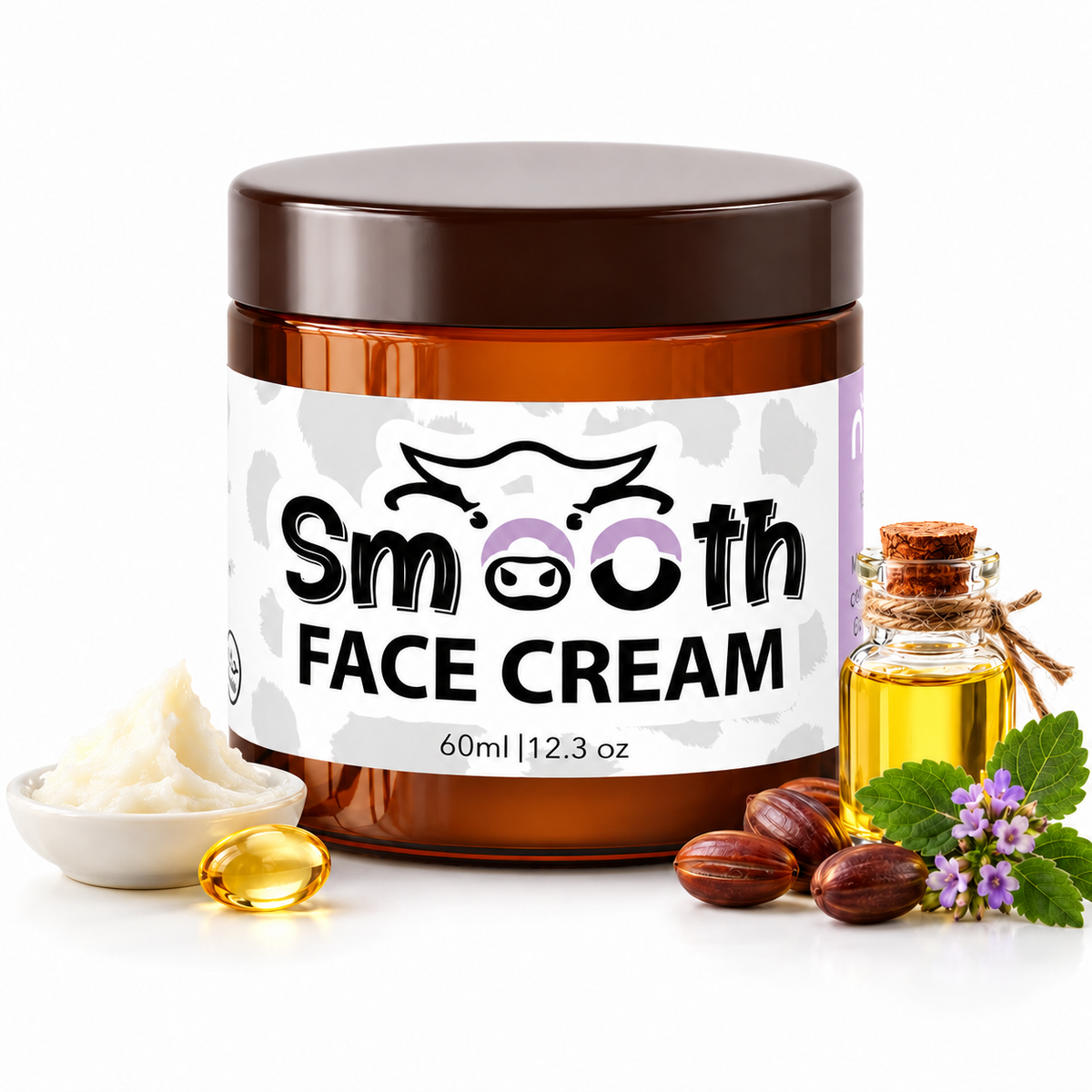
Quick answer
A beef tallow moisturiser is usually a water-free balm: rendered beef fat, often blended with a plant oil, sometimes beeswax, honey or essential oils. It's rich, melts on contact and feels occlusive, and with no water it often needs no added preservatives. A regular face cream is an emulsion of water and oils, held together with emulsifiers and kept safe with preservatives. It usually includes humectants such as glycerin, can be very light, and may add sunscreen, fragrance-free options or targeted ingredients. Tallow balms tend to suit people who like a rich, minimal-ingredient product for dry or weather-exposed skin; lighter creams tend to suit oily, breakout-prone or humid-climate skin. Whichever you choose, patch-test first and keep using a separate SPF by day.
Key takeaways
- Balm vs emulsion: tallow products are mostly oil-based; face creams are mostly water-based.
- Shorter ingredient lists: tallow balms often have 3–6 ingredients; creams often 15–30.
- Texture: tallow is richer and slower to sink in; use a pea-sized amount.
- Breakouts: rich, occlusive products don't suit every skin, so start slowly.
- No SPF: tallow balms don't protect from the sun; use sunscreen on top in the day.
Side-by-side comparison
| Beef tallow moisturiser | Typical face cream | |
|---|---|---|
| Base | Rendered beef fat, usually water-free | Water and oils emulsified together |
| Typical ingredients | Tallow, a plant oil (jojoba, olive, almond), vitamin E; sometimes beeswax, honey, essential oils | Water, glycerin, emollients, emulsifiers, thickeners, preservatives; often fragrance and active ingredients |
| Ingredient count | Usually 2–6 | Often 15–30 |
| Texture | Firm balm that melts with body heat; rich, slightly occlusive | From light gel-cream to rich night cream |
| Preservatives | Often none needed if water-free | Required, because water lets microbes grow |
| Scent | Faint natural smell, or essential oils | Fragranced or fragrance-free |
| Sun protection | None | Some day creams include SPF |
| Vegan? | No | Often yes |
| Typical UK price | About £0.18–£0.45 per ml | From under £0.10 to over £2 per ml |
How each one works on skin
Moisturisers generally use a mix of three types of ingredient:
- Humectants, such as glycerin and hyaluronic acid, draw water into the outer layer of the skin.
- Emollients, such as plant oils, fatty acids and ceramides, fill gaps between skin cells so skin feels smoother.
- Occlusives, such as petrolatum, beeswax and heavier fats, sit on the surface and slow water loss.
A face cream usually combines all three, with water as the base. That's why it can feel light and absorb quickly. A tallow balm is mostly emollient and occlusive: the fats soften the skin and form a protective layer, but there's little or no humectant unless honey or glycerin is added. Many people apply a tallow balm onto slightly damp skin, or over a hydrating toner, to make up for this.
Reading the ingredients
In the UK, cosmetic ingredients are listed using international INCI names in descending order of amount.
- Tallow: listed as "Tallow", "Bos Taurus (Beef) Tallow" or similar. It should be first on a tallow product.
- Water: listed as "Aqua". If it's first, you're looking at a cream or lotion, not a balm.
- Preservatives: look for names such as phenoxyethanol or sodium benzoate. Any product with water needs one.
- Fragrance and allergens: "Parfum", plus named allergens such as linalool, limonene or geraniol, which also come from essential oils.
- Vitamin E: often listed as "Tocopherol"; it's added to help protect oils from going rancid.
Who each one tends to suit
| If your skin is… | Tallow balm | Face cream |
|---|---|---|
| Dry or tight, especially in winter | Often a good fit; use a small amount | Choose a richer cream with ceramides or oils |
| Normal | Try at night first | Most textures work |
| Oily or breakout-prone | Approach with caution; patch-test on a small area | Lightweight, oil-free or gel creams are usually easier |
| Sensitive | Choose unscented if essential oils bother you | Choose fragrance-free |
| Vegan or avoiding animal products | Not suitable | Plenty of options |
If you have a skin condition, or your skin reacts to a new product, speak to a pharmacist, GP or dermatologist rather than swapping products to fix it.
How to switch to tallow
- Patch-test: apply a little behind your ear or on your inner arm once a day for 48 hours. Stop if you see redness, itching or bumps.
- Start at night: use it as your evening moisturiser first, so you can see how your skin feels in the morning.
- Use less than you think: warm a pea-sized amount between your fingertips and press it in. Too much feels greasy.
- Apply to damp skin: after cleansing, pat skin so it's still slightly damp, then apply.
- Keep your SPF: in the day, apply sunscreen after the balm has settled.
- Give it two to three weeks before deciding, unless your skin reacts.
For more on using tallow day to day, see our guide to beef tallow for skin and the tallow and honey balm guide.
Shelf life and storage
- Tallow balms: without water they're less hospitable to microbes, but the fats can go rancid over time. Keep the lid on, store away from heat and sunlight, use clean, dry fingers or a spatula, and follow the period-after-opening symbol (the open jar icon, such as "6M" or "12M").
- Face creams: their preservatives keep them safe for the stated period after opening. Pumps and tubes stay cleaner than open jars.
- Signs it's gone off: a sour or crayon-like smell, a change in colour, or graininess that doesn't melt away.
Price per ml
Compare skincare by price per ml, not by jar price:
- UK tallow balms typically cost around £10–£25 for 60ml, or about £0.18–£0.45 per ml.
- Supermarket face creams can be under £0.10 per ml, while premium brands can be well over £2 per ml.
- Use per application: a balm is concentrated, so a pea-sized amount is usually enough, and a 60ml jar can last two to three months with daily use.
Tallow moisturiser FAQs
What is the difference between a tallow moisturiser and a face cream?
A tallow moisturiser is usually a water-free balm made from rendered beef fat and a few other oils. A face cream is an emulsion of water and oils with emulsifiers and preservatives, often with humectants such as glycerin and other active ingredients.
Is beef tallow a good moisturiser?
Many people like tallow balms for dry or weather-exposed skin because they're rich and soften the skin. They don't suit everyone, especially oily or breakout-prone skin, so patch-test and start slowly.
Does tallow clog pores?
It can for some people. Rich, occlusive products can contribute to breakouts in oily or acne-prone skin. Start with a small amount at night and stop if you notice new spots.
Do tallow balms need preservatives?
Water-free balms often don't, because microbes need water to grow. They can still go rancid over time, so vitamin E is often added and the jar should be kept cool, closed and clean.
Can I use tallow instead of sunscreen?
No. Tallow balms don't provide meaningful sun protection. Use a broad-spectrum sunscreen during the day.
Does tallow moisturiser smell of beef?
Well-rendered tallow has only a faint smell. Many balms add essential oils, such as patchouli or lavender, which mask it.
How much tallow balm should I use?
About a pea-sized amount for the whole face. Warm it between your fingertips and press it into slightly damp skin.
Is tallow moisturiser vegan?
No. Tallow is an animal fat, so tallow products aren't vegan or vegetarian.