

How to Choose a Massage Oil for Couples
The right massage oil glides smoothly, smells good to both of you and doesn't leave either of you sticky or itchy. Here's how to compare carrier oils, pick a scent you'll both like, check for sensitivities, set up the room and look after your sheets.
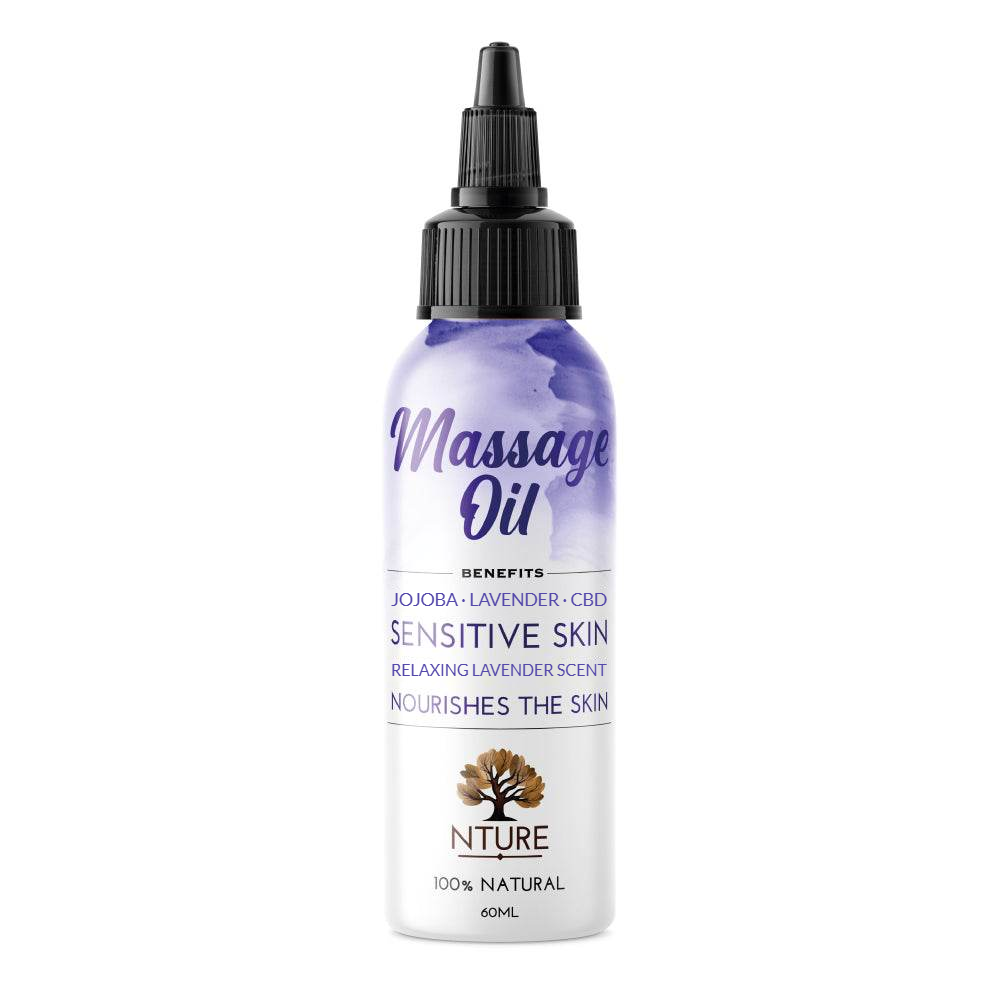
Quick answer
For a couples massage, choose an oil with good glide that doesn't soak in too fast, a light or neutral feel so it isn't greasy afterwards, and a gentle scent you both enjoy. Jojoba, sweet almond, fractionated coconut and grapeseed are the most popular bases. Keep added essential oils low (around 1–2%), patch test both of you beforehand, avoid nut oils if either of you has a nut allergy, and lay down an old towel, as oil marks fabric.
Key takeaways
- Glide matters most: an oil that sinks in too quickly means constant reapplying.
- Choose a scent together: one person's favourite can be the other's headache.
- Patch test both of you: skin sensitivities differ between partners.
- Warm it first: rub oil between your palms rather than pouring it straight onto skin.
- Protect fabrics: use an old towel and wash it promptly.
Carrier oils compared
The carrier, or base, oil makes up almost all of a massage oil, so it decides how it feels. These are the most common choices.
| Oil | Feel and glide | Scent | Good to know |
|---|---|---|---|
| Jojoba | Silky, medium glide, not greasy | Almost none | Technically a liquid wax, so it keeps well and doesn't turn rancid quickly |
| Sweet almond | Smooth, long glide; the classic massage oil | Faintly nutty | Avoid if either of you has a nut allergy |
| Fractionated coconut | Very light, stays liquid, non-greasy | None | Different from solid coconut oil; can absorb fairly quickly |
| Grapeseed | Light, thin, absorbs fast | None | Shorter shelf life; may need reapplying |
| Apricot kernel | Soft, similar to sweet almond | Very mild | A kernel oil, so take care with nut allergies |
| Sunflower | Medium glide, budget-friendly | Mild | Choose a high-quality, cold-pressed oil |
| Avocado | Rich and thick | Earthy | Usually blended with a lighter oil |
Glide, texture and absorption
A good massage oil lets hands move in long, smooth strokes without dragging, then settles into the skin without leaving a heavy, oily film.
- Slow absorption (sweet almond, jojoba) gives longer glide, which suits a relaxed, full-body massage.
- Fast absorption (grapeseed, fractionated coconut) feels lighter afterwards but needs topping up more often.
- Blends often get the balance right, for example jojoba with a little sweet almond.
- Lotions and balms give more grip and less glide, which some people prefer for shoulders and feet.
Choosing a scent you both like
Scent is personal, so it's worth choosing together. Popular options include:
- Lavender: soft, floral and familiar, and one of the most widely liked scents.
- Sweet orange and other citrus: bright and fresh.
- Sandalwood and cedarwood: warm, woody and often preferred by people who dislike florals.
- Ylang ylang and rose: rich and floral, best used sparingly.
- Unscented: ideal for sensitive skin, or if either of you dislikes fragrance.
If you're blending your own, essential oils should be well diluted, typically around 1–2% for body use (roughly 6–12 drops per 30ml of carrier oil). Some cold-pressed citrus oils, such as bergamot, can make skin more sensitive to sunlight, so use a sun-safe version or avoid them before going outdoors.
Skin sensitivities and patch testing
- Patch test you both: apply a little oil to the inner elbow and wait 24 hours. Skip any oil that causes redness or itching.
- Check for allergies: avoid nut-based oils, such as sweet almond and apricot kernel, if either of you has a nut allergy, and check the full ingredients list.
- Keep it external: massage oils are for the skin of the body only. Keep them away from eyes and broken or irritated skin.
- Know the condom rule: oils can weaken latex condoms, so don't let massage oil come into contact with them. Use a water-based lubricant if you need one.
- Be careful with "warming" or "tingling" oils: these contain ingredients that can irritate sensitive skin.
Setting up a couples massage
- Warm the room: oiled skin cools quickly, so keep the room comfortably warm and have a towel or blanket to hand.
- Protect the surface: lay an old towel over the bed, sofa or floor mat.
- Warm the oil: stand the bottle in a bowl of warm water for a few minutes, or warm a little oil between your palms. Never microwave oil.
- Set the mood: soft lighting and quiet music help. Keep candles well away from oil, towels and fabrics.
- Start slow: use long, gentle strokes and check in about pressure. Avoid pressing directly on the spine.
- Take turns: agree how long each of you will spend before you swap.
How much oil to use
Less is more. Start with about half a teaspoon in your palms for each area, such as the back, shoulders or legs, and add more only when your hands start to drag. A full-body massage usually needs around 15–30ml in total, so a 60ml bottle typically lasts two to four sessions.
Protecting sheets and towels
- Use a dedicated towel: keep one old towel or sheet just for massage.
- Treat stains quickly: blot excess oil, rub in a little washing-up liquid, leave for 10–15 minutes, then wash at the hottest temperature the fabric allows.
- Air-dry first: check the stain has gone before tumble drying, as heat can set oil marks.
- Clean the floor: wipe up drips straight away, as oiled floors are slippery.
Storing massage oil
Keep massage oil tightly capped in a cool, dark place away from heat and sunlight, which make oils go stale faster. Most plant oils are best used within 6–12 months of opening; jojoba keeps longer. If an oil smells sharp, sour or like old crayons, it's rancid and should be thrown away.
Massage oil FAQs
What is the best massage oil for couples?
A light, slow-absorbing oil with good glide and a scent you both like. Jojoba, sweet almond, fractionated coconut and grapeseed are popular bases, often with a little lavender or another gentle essential oil.
Is jojoba oil good for massage?
Yes. Jojoba feels silky, isn't greasy and has almost no scent of its own. Because it's technically a liquid wax, it also keeps well without turning rancid quickly.
Can you use coconut oil for massage?
Yes, but fractionated coconut oil is easier to use because it stays liquid. Ordinary coconut oil is solid below about 24°C and needs warming first.
How do you warm massage oil?
Stand the closed bottle in a bowl of warm water for a few minutes, or rub a little oil between your palms before applying it. Don't microwave it.
How much massage oil do you need?
About half a teaspoon per area to start, adding more only when your hands begin to drag. A full-body massage usually uses around 15 to 30ml.
Does massage oil stain sheets?
It can. Lay down an old towel, and treat any marks quickly with a little washing-up liquid before washing at the hottest temperature the fabric allows.
Can massage oil be used with condoms?
No. Oils can weaken latex condoms, so keep massage oil away from them and use a water-based lubricant instead.
Should we patch test massage oil?
Yes, both of you. Apply a small amount to the inner elbow and wait 24 hours, and avoid nut-based oils if either of you has a nut allergy.